What research actually says about videos and young children — on one page, with sources. And what Bonbon does about each point.
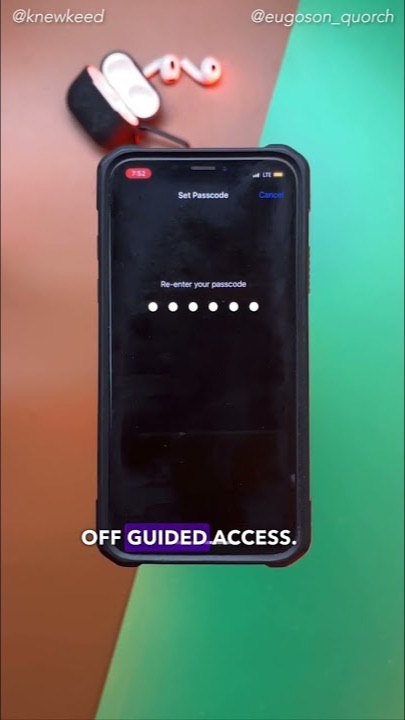
The lock in the player stops every tap. To keep your child from leaving the app too, iPhone needs Guided Access — the video shows how to turn it on.
The pediatric guidance in four tiles. Less is fine; quality matters more than the minutes.
Short versions. The full citations are at the bottom of the page.
Nine minutes of a fast-paced cartoon was enough for four-year-olds to do worse at tasks needing attention and self-control — compared with a slower cartoon or drawing.
Lillard & Peterson, Pediatrics, 2011In Bonbon: pacing is part of the check. The frantic style is rejected.Slow, story-driven educational programs show measurable learning gains across dozens of studies. The same minutes on filler show none.
Mares & Pan, meta-analysis, 2013In Bonbon: fewer videos, better ones.Toddlers learn far less from a video than from a person doing the same thing in front of them — the “video deficit”.
Anderson & Pempek, 2005In Bonbon: the app is made for ages 2 to 9. Before that, the best screen is none.Children learn more from a video when a parent watches and talks about it. Ten minutes of “what happened there?” beat an hour alone.
AAP, Media and Young Minds, 2016In Bonbon: history and the weekly report give you the titles to talk about.Each daily hour of TV at ages one to three was linked with more attention problems at age seven.
Christakis et al., Pediatrics, 2004In Bonbon: a daily limit the app keeps by itself.Light and excitement delay sleep. No screens in the hour before bed, and none in the bedroom.
AAP, Media and Young Minds, 2016In Bonbon: a schedule, and calmer videos as evening comes.With a TV on that nobody is watching, toddlers play for shorter stretches and parents talk to them less.
Schmidt et al., Child Development, 2008At home: off when nobody is watching. In Bonbon the day has an end, and “Good night” marks it.Preschoolers imitated aggressive behaviour they had just seen on film — a finding replicated for six decades.
Bandura, Ross & Ross, 1961In Bonbon: rudeness, tantrums and unsafe behaviour are filtered out.Children cannot reliably tell advertising from the program until about age seven or eight.
APA Task Force on Advertising and Children, 2004In Bonbon: no ads of our own, and no ad profile of your child. Ever.A warning before the end works; a sudden cut-off does not. Parents know this one without a study.
Every parent, every eveningIn Bonbon: when time is up the app says “Good night” instead of cutting off.This page summarises published research for parents. It is not medical advice; for your own child, ask your pediatrician.